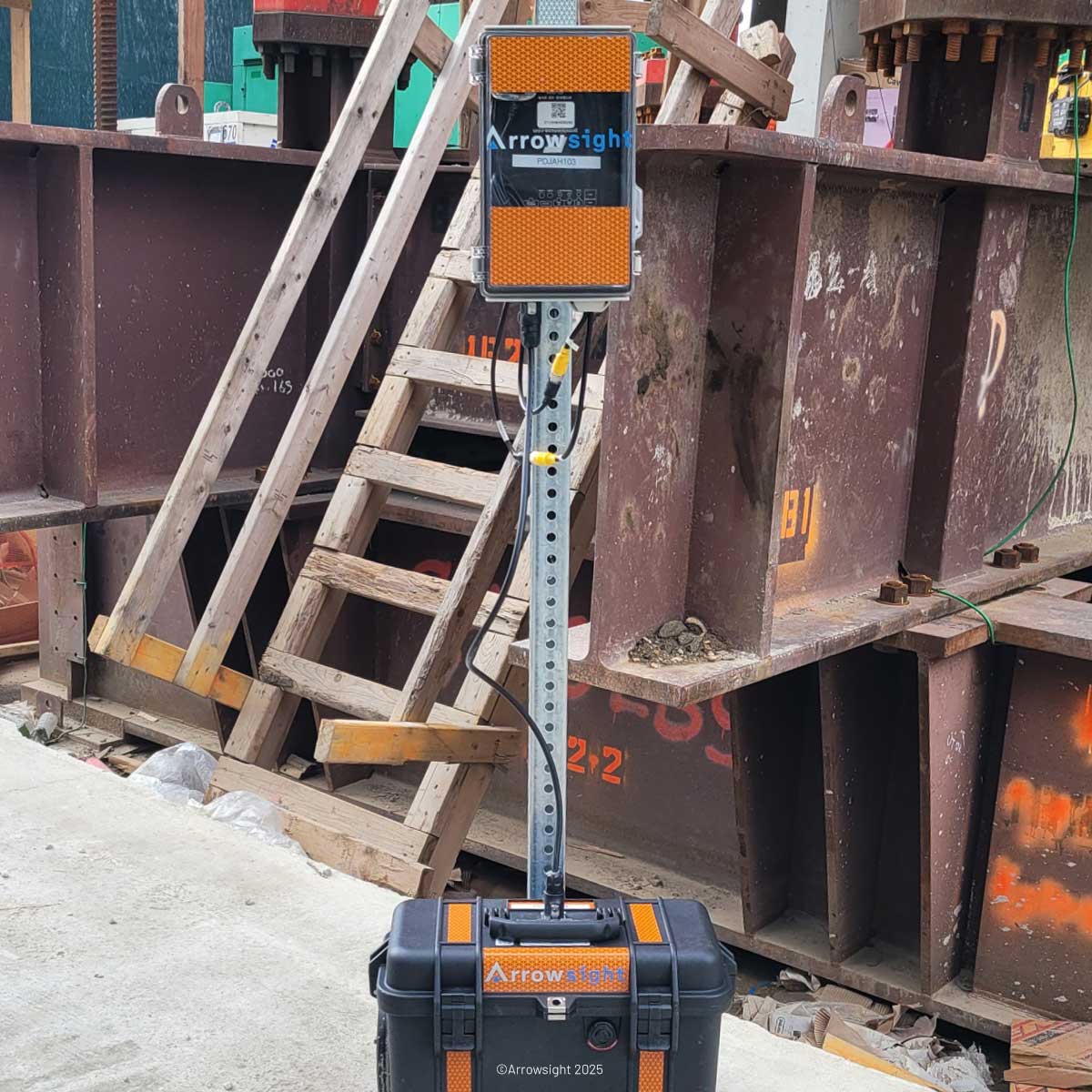
As advances in workplace safety evolve, technology is playing a key role in reducing Workers’ Compensation claim frequency and making workplaces safer for employees. Innovations such as smart personal protective equipment (PPE), special cameras, and wearable devices are transforming how companies protect employees and helping to lower Workers’ Comp. claim frequency and severity.
Some insurance carriers are partnering with tech safety vendors to make these solutions accessible to their policyholders, creating a win-win for businesses and workers alike. Multiple industries including construction, manufacturing, oil and gas, warehousing, and agriculture could see benefits from incorporating these technologies.
Smart PPE
Everyone is familiar with hardhats, reflective vests, and safety glasses. Technology is transforming these familiar safety devices into smart PPE. Hardhats can now be outfitted with sensors that can detect smoke, gas (i.e., carbon monoxide), dust, worker falls and extreme temperatures.
Smart safety glasses can be equipped with infrared and high-definition cameras to detect hazards such as spills or exposed wiring in real time. Reflective vests can be fitted with sensors that can detect an employee’s vital signs and location.
Cameras
Among the more promising safety technologies are smart cameras. A large Workers’ Compensation carrier partnered with a safety technology company on a three-year pilot project to study the potential benefits of using smart cameras at construction sites.1 Special cameras with proprietary software were placed around nine large construction projects valued at a combined $2 billion in New York City. Engineers reviewed the footage nightly, assessing both risky and good behaviors (i.e., lifting techniques, use of equipment, walking into unsafe or prohibited areas). This information was flagged and then sent back to each of the site managers in time for the next day’s safety meeting. The carrier tracked these nine sites along with 12 other sites in New York City that did not use these cameras.
At the conclusion of the pilot program, it found that the sites with special cameras had a 50% reduction in claim frequency compared to the sites without them. They also saw a dramatic reduction in the number of deaths and serious injuries. This carrier now requires these cameras at every New York City construction site it insures.
Wearables
Wearable devices are another approach to identifying and correcting unsafe behavior. This type of device is worn on a worker’s hip or as part of a vest, alerting the employee in real time if they are performing an unsafe action such as improper bending or overreaching. The data is collected and uploaded to a software platform that identifies trends (i.e., job function, shift, mechanism, etc.), while alerting the worker in real‑time.2
NCCI reported that a manufacturer using these types of devices reduced injury rates by 62% and reduced claim costs over a 12‑month period by 49%.3
Concerns
One of the primary concerns in using these technologies is employee privacy. Transparency and education by the employer to the employee as to how the data will be used and stored could help alleviate privacy concerns. In the case of cameras and wearable devices, these are typically HIPAA compliant.
Going Forward
Workplace safety is a fundamental concern at every job site, for every worker and employer, and for the insurance industry. Emerging technologies will play a key role in making workplaces safer for employees and reducing Workers’ Compensation costs. Feel free to reach out to me or your Gen Re representative to learn more.